Determining the Optimal Criminal Defense Counsel: Maintaining Your Constitutional Rights and Future
Picking the right criminal defense attorney is an important decision. An experienced lawyer can significantly affect the outcome of a case. They maneuver complex legal structures while creating effective strategies. People must recognize what to seek in an lawyer, encompassing specialization and client testimonials. The process may feel daunting, but understanding the key traits and questions to ask can lead this important selection. What actions should one pursue to assure they make the finest decision?
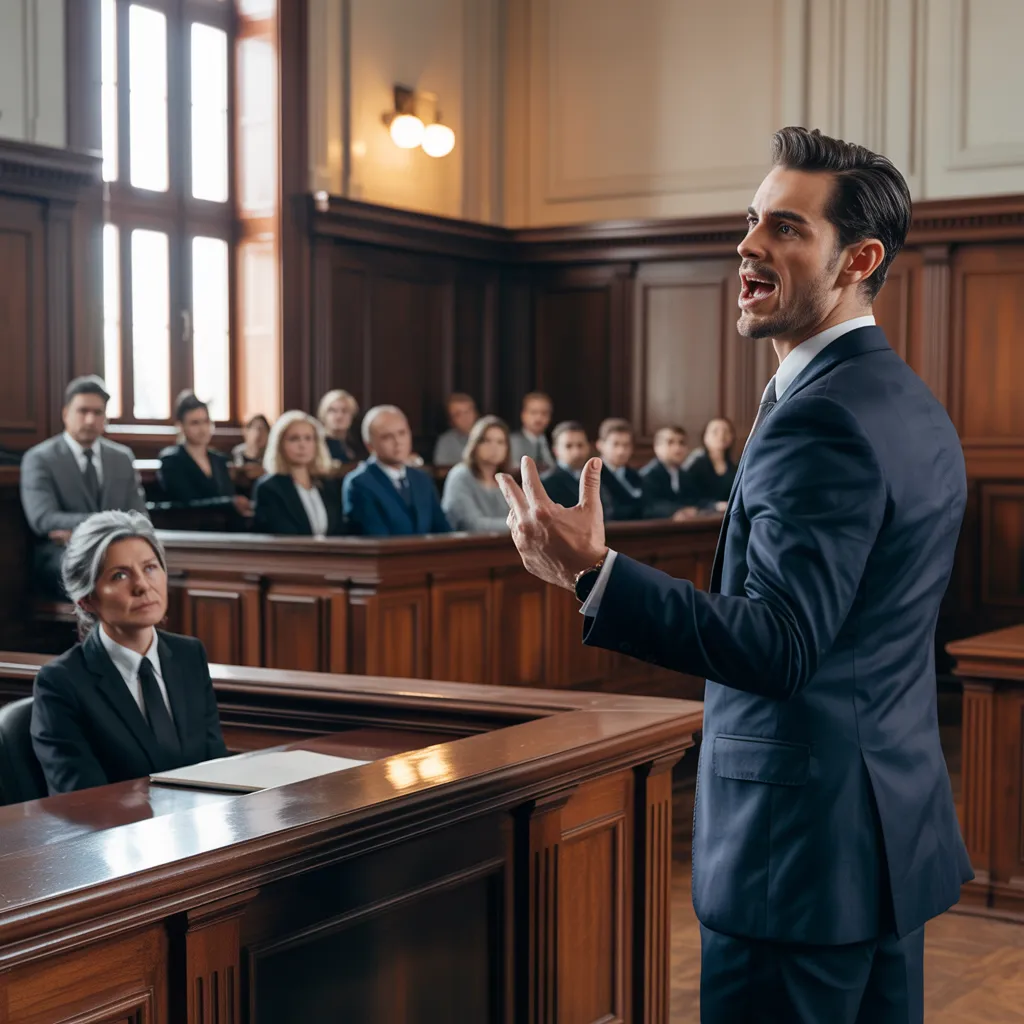
Grasping the Position of a Criminal Defense Legal Representative
Understanding the responsibility of a criminal defense lawyer is important for anyone working through the intricacies of the legal system. These legal professionals serve as champions for individuals charged with crimes, ensuring that their rights are maintained throughout the judicial process. A criminal defense lawyer evaluates read the facts the details of a case, investigates evidence, and develops strategies to contest the prosecution's arguments. They provide important counsel, assisting clients grasp their options, potential outcomes, and the implications of plea deals.
Additionally, these attorneys advocate for their clients in court, offering defenses and bargaining with prosecutors. They labor hard to obtain the best possible outcomes, whether through dismissal, reduced charges, or acquittal. Their expertise extends to understanding legal procedures, guaranteeing that the accused navigate the system efficiently. Ultimately, a skilled criminal defense lawyer plays an crucial role in protecting the accused's future and aiming for justice.
How Expertise and Focus Impact Your Case
When determining the right criminal defense lawyer, the experience and specialization of the advocate can profoundly affect the final outcome. An attorney with deep experience in criminal defense law often possesses a more thorough knowledge of legal nuances, court protocols, and discussion methods. This familiarity can be indispensable in developing robust defenses and handling complex legal landscapes.
Specialization represents an vital component; lawyers who specialize mainly on defense practice are far more likely to maintain awareness of recent legal developments and judicial decisions. For example, a legal professional concentrating on drug offenses will demonstrate insights and tactics that differ substantially from those applicable in white-collar crimes.
Moreover, skilled attorneys frequently have strong relationships with judges and prosecutors, which can assist more favorable plea deals or outcomes. Therefore, selecting a lawyer with the right balance of experience and specialization can significantly affect both the legal strategy and the final verdict.
Essential Characteristics for an Effective Criminal Defense Representative
Understanding the fundamental characteristics of an accomplished criminal defense attorney is necessary for anyone encountering legal challenges. Important characteristics feature proven background in court, strong communication skills, and deep legal expertise. These traits not only bolster the attorney's capacity to represent effectively but also instill confidence in their clients.
Demonstrated Experience In Court Cases
Proven experience in court serves as a cornerstone for any competent criminal defense attorney. This experience not only enhances an attorney's understanding of courtroom procedures but also equips them with the skills necessary to traverse complex legal landscapes. A experienced attorney has likely faced various case scenarios, allowing them to predict potential challenges and formulate effective strategies. Their prior courtroom appearances illustrate a familiarity with judges, opposing counsel, and jury dynamics, which can markedly influence the outcome of a case. Additionally, a robust history in court can build confidence in clients, assuring them that their defense is in capable hands. Ultimately, an attorney's expertise serves as a crucial component in protecting a client's rights and shaping their future.
Excellent Communication Abilities
Effective courtroom strategies are only part of what makes a criminal defense attorney successful. Strong communication skills are equally crucial, enabling attorneys to convey intricate legal concepts clearly to their clients, juries, and judges. An effective lawyer must listen actively, ensuring they fully understand their client's requirements and issues while also addressing any questions. This bi-directional communication fosters trust, which is essential in building a solid attorney-client relationship. Moreover, persuasive oral and written communication skills help in crafting compelling arguments and presenting evidence effectively. A defense attorney's ability to articulate their case can greatly influence the outcome, highlighting the importance of strong communication in steering through the complexities of the legal system and advocating for their clients effectively.
Comprehensive Legal Expertise
While strong communication skills are necessary, deep legal knowledge is the basis of a effective criminal defense attorney. An experienced lawyer must hold a thorough understanding of criminal law, including statutes and laws, case law, and procedural rules. This ability enables them to navigate complex legal landscapes, assess the strengths and disadvantages of a case, and formulate strategic defenses. Knowledge of local laws and regulations can also provide an edge in negotiations and court proceedings. Additionally, an attorney’s knowledge of legal precedents assists in anticipating the prosecution’s moves, allowing for proactive defense strategies. Ultimately, deep legal knowledge equips a criminal defense attorney to safeguard clients' rights and advocate effectively, making it a vital quality in the search for justice.
What Questions Should You Pose Potential Legal Professionals?
When choosing a defense attorney, what questions should one emphasize to guarantee the perfect fit for their case? First, inquire regarding the lawyer's experience with cases matching yours. Comprehending their performance history can provide insight into their capabilities. Next, ask about their plan for your case and how they plan to address your case. This will reveal their problem-solving abilities and preparation.
It's also necessary to discuss fees and payment structures. Clarifying costs upfront helps prevent confusion later. Additionally, inquire about correspondence; knowing how often and in what manner the lawyer will update you is essential for maintaining a strong attorney-client bond.
Finally, solicit references or testimonials from previous clients. This can supply constructive viewpoints on the lawyer's performance and client satisfaction. By posing these targeted questions, people can choose knowledgeably when selecting their legal representation.
Why Customer Evaluations Matters When Hiring a Lawyer?
Client testimonials function as a vital tool when picking a criminal defense attorney, providing key perspectives into their experience and effectiveness. These reviews can reveal a lawyer's skill to handle difficult cases and communicate effectively with clients. Moreover, positive feedback can help determine the dependability and credibility of a prospective lawyer.
Knowledge Into Experience
Comprehending the subtleties of a criminal defense lawyer's background is critical, particularly when assessing the impact of client reviews. Reviews often supply insight into a lawyer's skill to manage complex cases and their competence in court. Clients regularly share their encounters regarding interaction, case management, and results, which can reveal a lawyer's strengths and drawbacks. Positive reviews may suggest a lawyer's proficiency in specific areas of criminal law, while negative feedback can highlight potential red flags. Additionally, the volume of reviews may reflect a lawyer's reputation within the legal community. By reviewing this feedback, potential clients can make informed decisions, ensuring they choose a lawyer who aligns with their specific needs and expectations for defense.
Integrity Evaluation
Evaluating a lawyer's trustworthiness is crucial in the selection process. Client reviews serve as a significant gauge of a lawyer's dependability and integrity. Positive testimonials can indicate a lawyer's ability to communicate effectively, copyright ethical standards, and advocate fiercely for their clients. Conversely, negative reviews may reveal patterns of unprofessional behavior or inadequate representation. Prospective clients should seek out reviews on multiple platforms to obtain a thorough view of the lawyer's reputation. Additionally, personal recommendations from trusted sources can further validate a lawyer's credibility. Ultimately, evaluating client feedback allows individuals to make informed decisions, ensuring they choose a criminal defense lawyer who will protect their rights and future with diligence and integrity.
What Fees Do Defense Attorneys Typically Demand?
In what manner does one ascertain the cost of retaining a criminal attorney? The compensation required by legal defenders can span widely contingent on assorted circumstances. Geography holds significant importance; attorneys in city centers typically demand premium rates than those in sparsely populated regions. The attorney's qualifications and prestige also impact rates, with highly experienced professionals often securing elevated fees.
Defense lawyers may use different fee arrangements, including per-hour charges, flat fees, or performance-based fees, based on the nature of the case. Hourly rates can range from $100 to $500 or greater, while flat fees could span a few thousand dollars to several tens of thousands, based on the complexity of the case.
Additionally, individuals should take into account any extra expenses, such as court fees, expert witness expenses, and administrative charges. Understanding these factors can help individuals make informed decisions when choosing a defense attorney.
Teaming Up With Your Lawyer for a Powerful Defense
Once you've chosen a defense attorney and discussed fees, the next phase requires creating a collaborative relationship to develop a robust defense approach. Clear dialogue is critical; clients must provide their lawyer with all pertinent information regarding the case. This openness permits the legal professional to create a tailored defense that addresses specific situations and challenges.
Clients should actively take part in the defensive strategy by raising questions and obtaining clarification regarding legal language and methods. This engagement creates a more thorough comprehension of the case and allows clients to make informed decisions.
Additionally, parties should remain open to their lawyer's counsel and advice, as skilled legal practitioners can identify advantages and disadvantages in the defense. Ongoing meetings and communications can further enhance this working relationship, ensuring both parties are aligned in their approach. Finally, a strong partnership between party and legal representative is essential for traversing the challenges of the legal system and achieving the most favorable outcome.
Frequently Asked Questions
Can a Criminal Law Lawyer Guarantee a Specific Outcome?
A criminal lawyer cannot assure a particular result. Legal trials are naturally uncertain, affected by numerous variables. However, a experienced lawyer can offer a powerful defense and enhance the probability of a positive outcome.
What Should I Do if I Cannot Afford a Lawyer?
If unable to afford a attorney, individuals should explore court-appointed counsel, legal assistance groups, or pro bono services. They may also think about arranging payment plans or obtaining help from community resources for law-related assistance.
How much time Will My Case Take to Resolve?
The timeframe of a case varies considerably, often spanning from a few months to several years. Elements influencing this timeline consist of case intricacy, court calendars, and the strategies employed by the defense and prosecution.
What Takes Place if I Plead Guilty Plea?
If someone enters a guilty plea, they generally acknowledge culpability for the offense, bringing about a conviction. This might produce sentencing, comprising fines, probation, or incarceration, substantially affecting future opportunities and legal standing.
Can I Switch My Lawyer During My Case?
Yes, a accused can change their legal counsel during a legal proceeding. However, this procedure may require informing the tribunal, possible postponements, and ensuring the replacement counsel is sufficiently informed about the particulars of the matter.